Success Stories ePRO implementation
ePRO Implementation

June 12, 2024

ePRO implementation

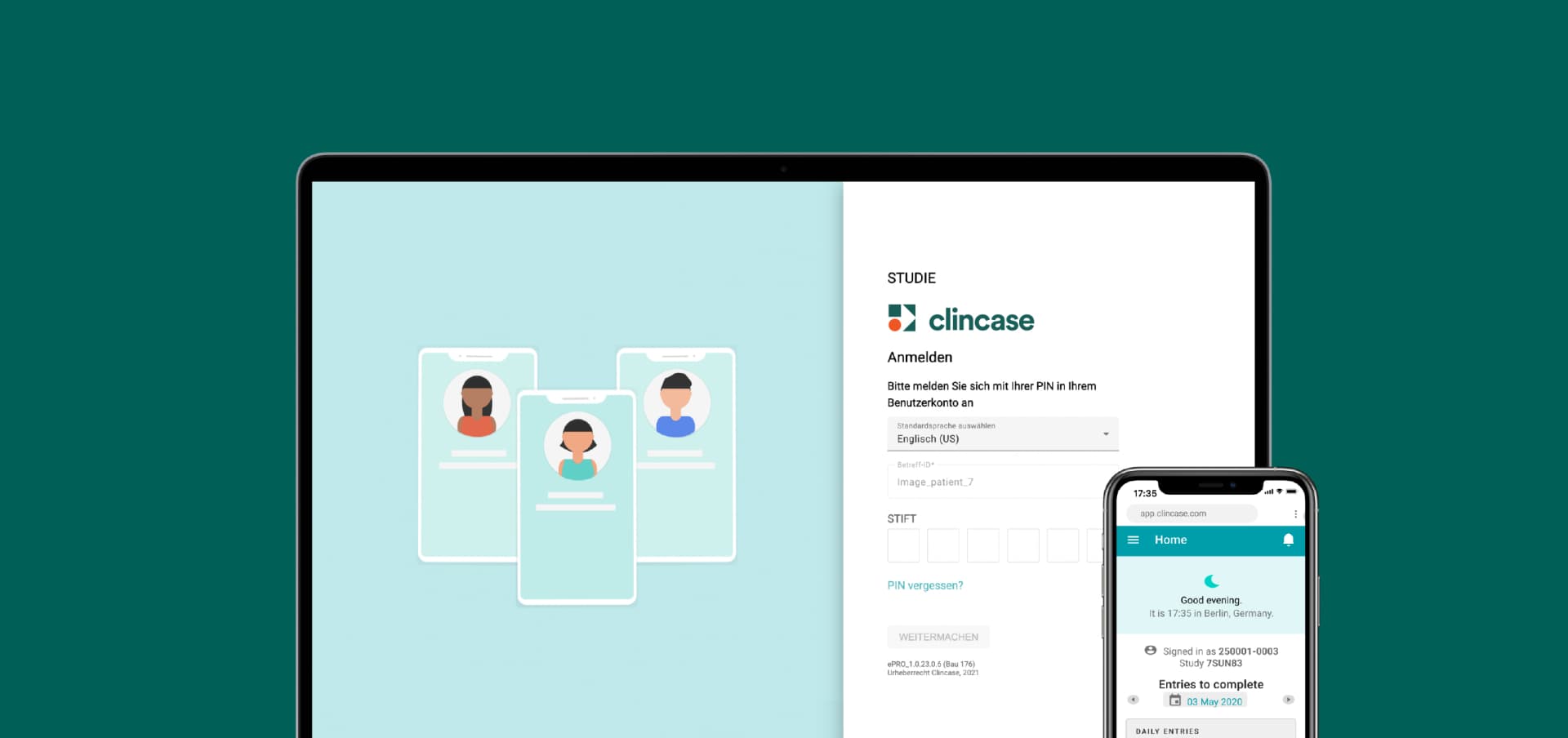
This project involved a complex ePRO setup where questionnaire availability was dependent on the visit schedule and the patient’s progress in the study. Questionnaires were to be enabled shortly before scheduled visits to allow patients to complete them prior to arriving at the site. The project also featured a multi-language approach and involved complex questionnaires requiring validation by the questionnaire owners.

🎯 Challenges

How to enable questionnaires at the right time?

How to re-enable a questionnaire if it expires, but the patient is ready to complete it later?

How to ensure the correct questionnaire is enabled based on the patient's profile?

How to ensure questionnaires are completed on time and according to the schedule?

How to ensure patients see the questionnaire in the correct language?


💡 Solution

Close cooperation between CRO and Clincase was pivotal in developing detailed specifications and conducting thorough testing. Additionally, a workaround was implemented to re-enable expired questionnaires.

🌟 Results

The project has been successfully launched. Continued close cooperation between CRO and Clincase is necessary to monitor the situation and provide support as required.
More Stories

Success Story Observational Studies

Leveraging ePRO for Participant Engagement and Efficiency in Observational Studies

A leading clinical research organization (CRO) partnered with Clincase to support a large-scale observational study for a major pharmaceutical company. The study required participants to complete on-site questionnaires during their visits, with the added flexibility of using iPads on-site or their own devices. With tight deadlines and a focus on enhancing the participant experience, the team turned to Clincase for an innovative solution that balanced speed, accuracy, and ease of use.

Read Success Story
Dashboard

Randomization and Emergency Unblinding

The project involved implementing randomization with study medication allocation and an emergency unblinding tool.

Read Success Story
Cohort Numbering Thumbnail

Effective Solutions for Multi-Cohort Patient Numbering

Due to the study's requirements, a complex patient numbering system is necessary. When a patient is initially created, an automated screening number is assigned based on the site and the sequence number within that site. Once the patient is enrolled, the EDC system will generate a patient number based on the subject cohort and the sequence number at the study level.

Read Success Story