🎯 The Challenge
Completing requirements gathering, solution design, development, and implementation within three months.
This includes:
- Providing participants with flexible options to complete questionnaires using iPads on-site or their own devices (BYOD).
- Implementing a system that allowed participants to switch between app and web portal seamlessly.
- Adding functionality for dynamic serious adverse event reporting.
- Setting up automated reminders to improve questionnaire completion rates.
Developing a robust ePRO solution in just three months required precise planning and efficient execution. The platform needed to support on-site questionnaires via iPads or BYOD, with seamless transitions between app and web portals. Additionally, automated reminders and real-time adverse event reporting were essential to ensure engagement, safety, and compliance.
💡 Our Solution
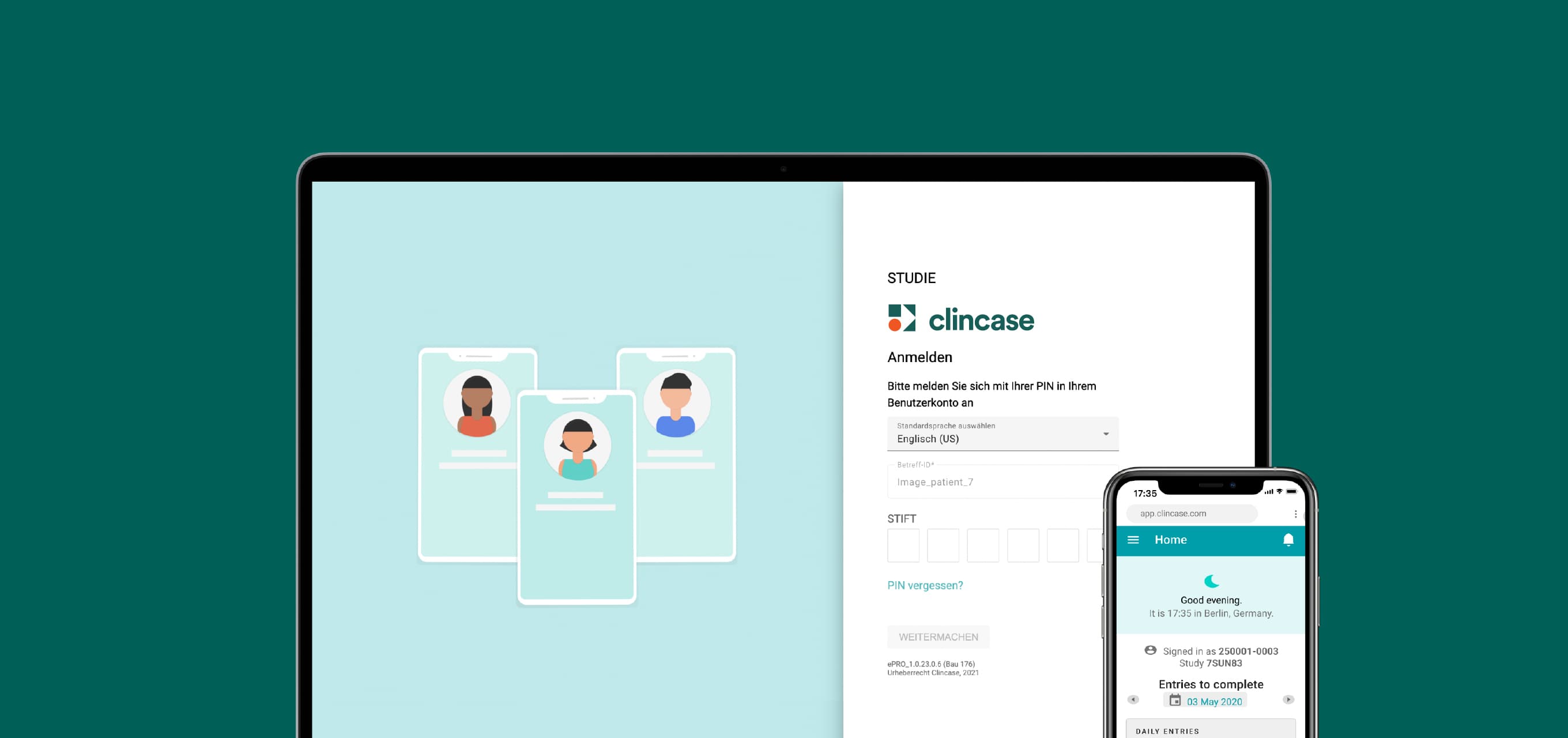
Clincase provided a participant-first solution to simplify the study while maintaining high data integrity standards. On-site iPads were pre-configured for immediate use, ensuring participants could begin their questionnaires effortlessly. Those preferring to use their own devices were supported through the Clincase ePRO mobile app or a web portal, accessible via a simple QR code.
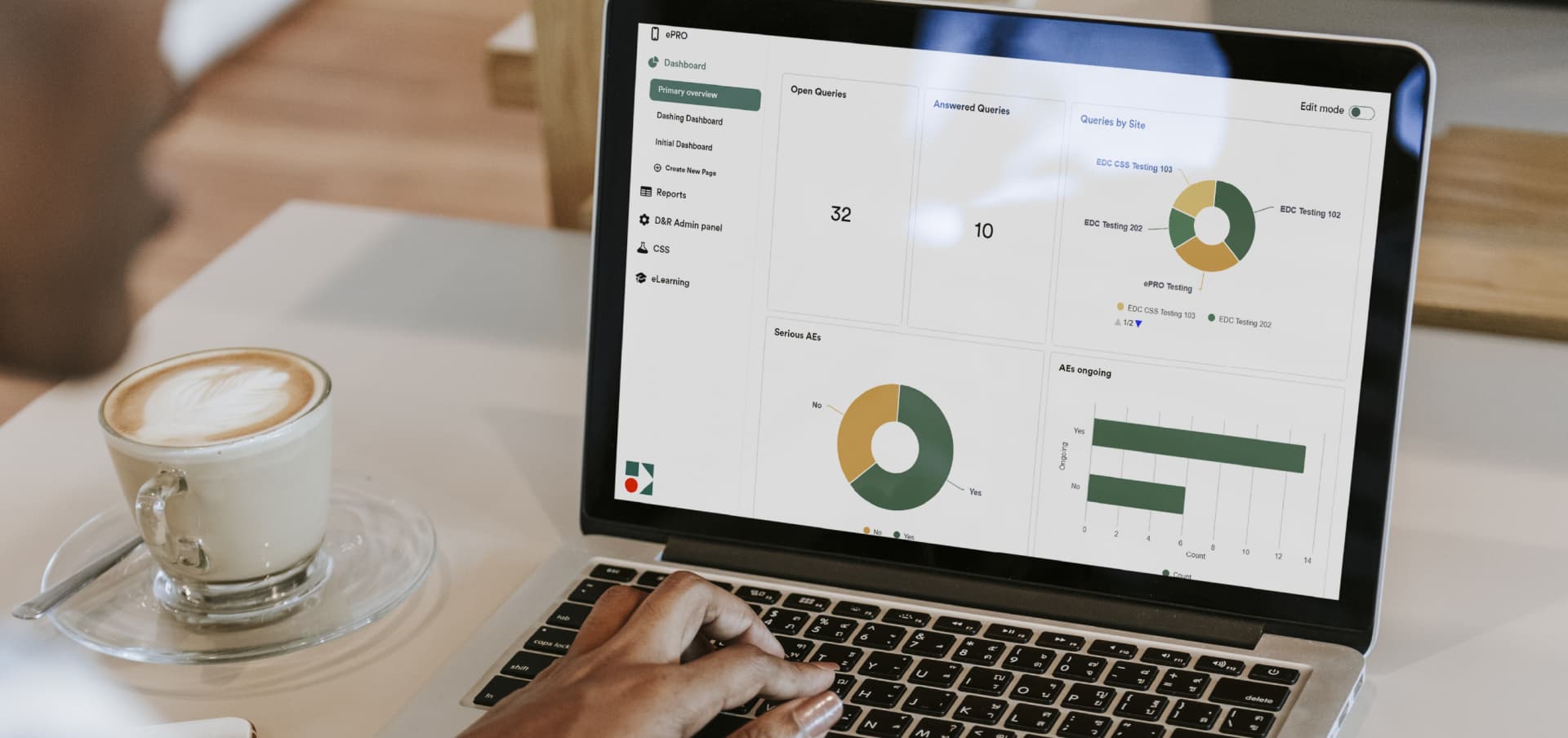
Automated reminders acted like a gentle nudge, helping participants stay on track with their questionnaire schedules. Real-time monitoring gave site staff the ability to track completion progress instantly, allowing them to intervene quickly if needed. The inclusion of dynamic adverse event reporting ensured patient safety remained a top priority, with instant notifications allowing for swift action.
By tailoring every aspect of the system to the needs of both participants and study teams, Clincase ensured the project was completed efficiently to the highest standards.
🌟 Results
In just 2.5 months, Clincase delivered a solution that exceeded expectations. Participants embraced the flexibility of choosing their preferred method for completing questionnaires, resulting in a high completion rate.
The convenience of switching seamlessly between the mobile app and web portal ensured that participants could stay engaged, even when their schedules changed.
Real-time monitoring eliminated delays for site teams, streamlining data collection and improving the study’s overall efficiency. The dynamic adverse event reporting functionality ensured participant safety was always a priority, with instant alerts allowing immediate action when needed.
By focusing on innovation and participant-centric design, Clincase empowered the study team to achieve their goals efficiently and confidently.
👉🏻Interested in discovering how we can tailor a solution to fit your study’s needs? Schedule a demo with Monique today!